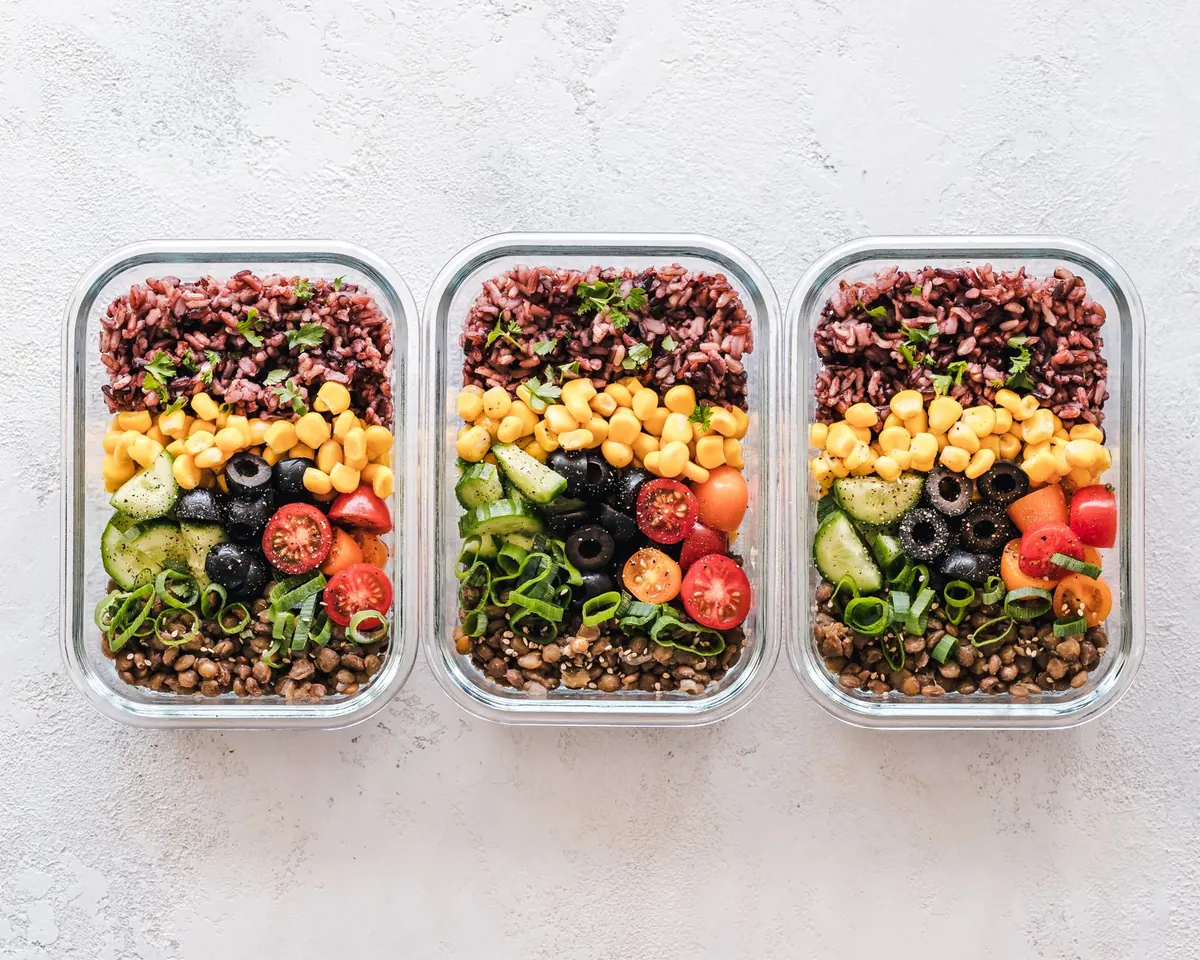
Most recipes are written for four. Most cookbooks assume a family at the table. So when you cook only for yourself, meal prep can feel like someone else's project — giant pots of chili, a fridge full of identical containers, and by Thursday, food you're tired of looking at. The truth is that cooking for one is the easiest version of meal prep there is, once you stop following instructions built for a crowd. Smaller batches, honest planning, and a storage system that matches how you actually eat will get you a week of good dinners out of about ninety minutes of work.
Before you cook anything, count the meals you will genuinely eat at home. Most beginners prep seven days of food, go out twice, and throw the rest away. If you take lunch to work four days, prep four lunches. If Friday is always takeout, don't cook for Friday. Eight to ten portions is a realistic target for a first attempt, and far more useful than an ambitious twenty that ends up in the bin.
There's a second question worth asking: do you mind eating the same dish three days running? Plenty of people don't. If you're one of them, prep finished meals and be done with it. If repetition wears on you fast, prep components instead — a protein, a grain, roasted vegetables, a sauce — and combine them differently each night.
Halving a recipe sounds straightforward until you hit one egg, a quarter teaspoon of baking soda, or a single chicken breast. A few adjustments make it painless.
Salt, spices, acids like lemon and vinegar, and aromatics often don't scale in a straight line. When you cut a recipe in half, start with about two-thirds of the seasoning it calls for, taste, and adjust from there. You can always add more.
Use a scale. Halving "one third of a cup" is annoying; halving 45 grams is trivial. A basic kitchen scale earns its counter space in fewer dirty measuring cups alone. The same logic applies to shopping: a one-pound piece of pork shoulder or two thick chops behave better in a small kitchen than a three-pound roast, and they cook faster.
Cakes, breads, and custards rely on precise ratios, and a half batch can fail for reasons that have nothing to do with your technique. Instead of halving them, cook from recipes already written for small pans — a single loaf, a six-muffin tin, a six-inch cake.
For everything else, cook one base and finish it three ways. Shredded chicken becomes tacos on Monday, a grain bowl on Wednesday, and soup on Friday with a different sauce or spice blend each time. Same effort, three different dinners.
The biggest mistake solo cooks make is storing a whole pot in one big container. Do that and you'll scoop uneven amounts all week and toss whatever's left on Sunday. Portion into individual containers while you're still in the kitchen and the food is still warm.
When you're the only person eating a batch, you're also the only one who'll notice if it has gone off. A few rules cover almost everything.
If you're pregnant, immunocompromised, or managing a condition that affects what you can safely eat, get guidance from your doctor or a dietitian rather than relying on general rules.
Skip the elaborate system. Start with one session of about ninety minutes and see what you learn.
That's the whole job. Once it feels routine, add a soup, a breakfast, or a second protein in a later week.
Buying for a single household is its own skill. Shop for produce twice a week rather than once, so the back half of the week gets fresh vegetables instead of limp ones. Lean on frozen vegetables, which are frozen at their peak and don't rot in the drawer. Use bulk bins for grains, oats, and spices so you can buy a few ounces at a time instead of a lifetime supply. At the meat or deli counter, ask for a smaller portion — staff will often cut or weigh out exactly what you need.
The cooks who meal prep successfully for years aren't the ones with the most creative plans. They're the ones who repeat a simple routine: the same prep window each week, the same containers, the same four or five meals in rotation with small variations. Novelty is something you add when you have the energy, not something the system depends on.
So pick one day, block out ninety minutes, and cook four portions of something you like. Eat one tonight. See how the week goes. Next week, cook five.
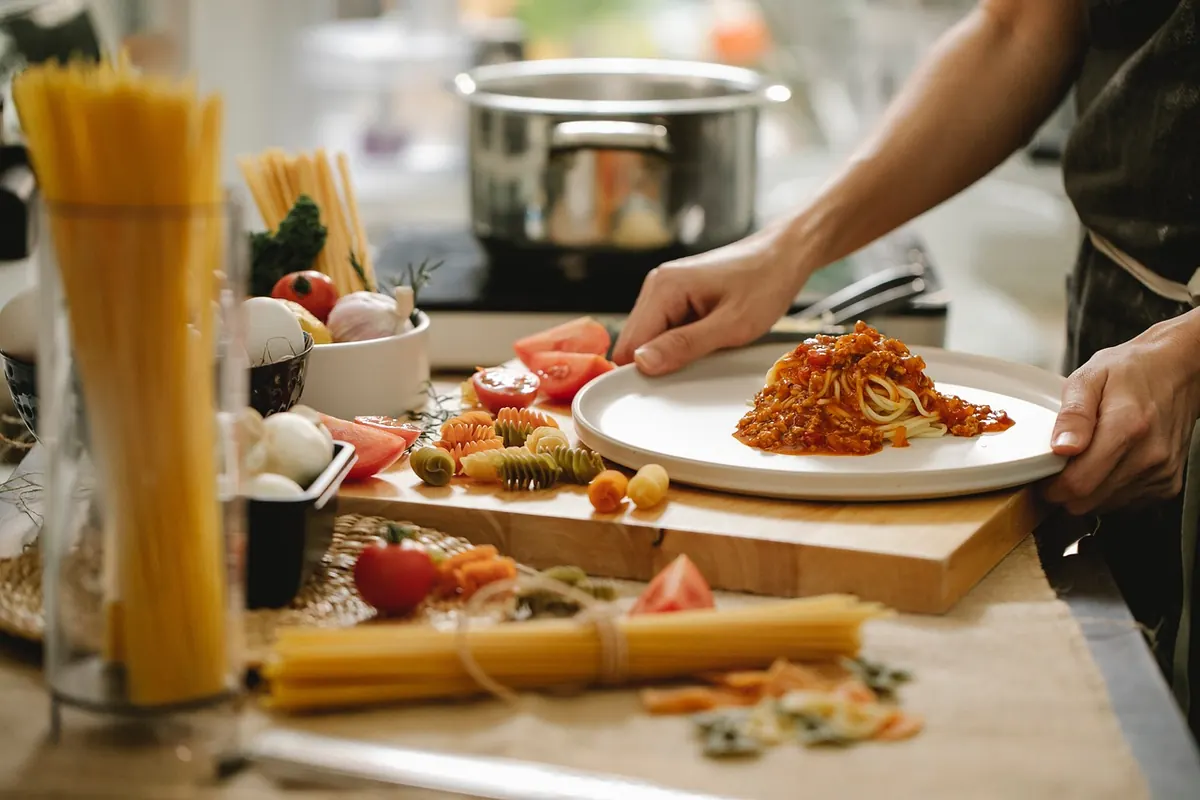
Photo: Ella Olsson / Pexels
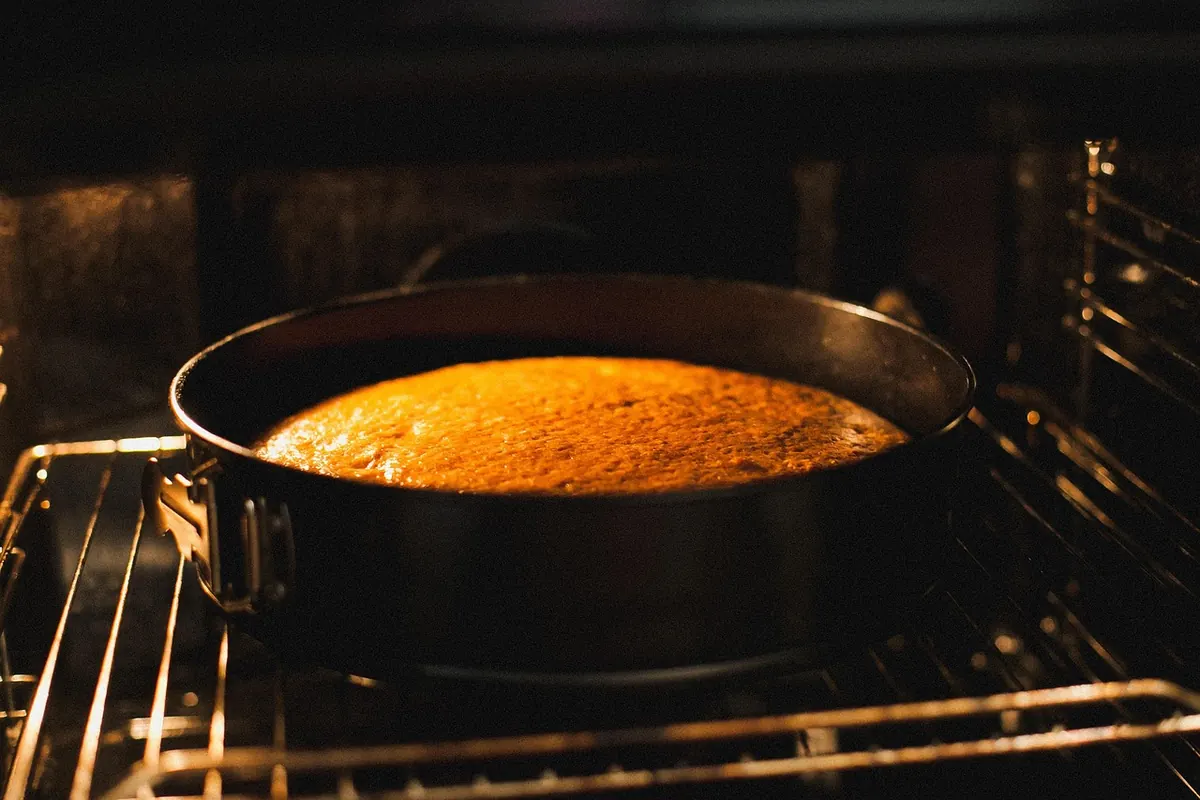
Oven hot spots, miscalibration, dark pans, and rack position explain most cakes that burn at the edges while staying...
A practical freezer meal prep plan: pick three recipes, batch-cook in stages, portion by meal, and thaw and reheat...
Keep parsley, cilantro, basil and other fresh herbs usable for weeks with simple fridge, counter and freezer...

Fresh recipes and kitchen inspiration for everyday cooking.
